
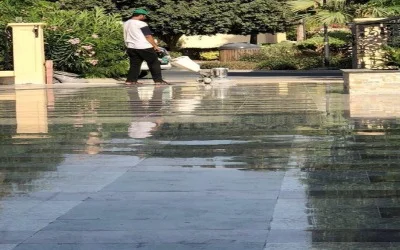
What creates a genuine mirror finish on a marble floor? It takes more than a shine spray or a quick buff. A consistent result depends on suitable polishing equipment, quality abrasives and a controlled restoration process. At Marble Care Dubai, we use European planetary grinders and Italian diamond pads for marble polishing in Dubai, helping refine the surface across residential and commercial interiors. This guide explains how polishing technology works, why equipment selection matters, and how the right maintenance practices can help preserve the appearance of marble floors.
Why Technology Matters for Marble Polishing in Dubai
Marble is a natural stone composed mainly of calcite or dolomite. Calcite-rich marble can be etched by acidic substances, while abrasive particles such as sand can contribute to surface scratches. Uneven polishing may also become noticeable under direct sunlight and strong indoor lighting. For large floors in villas, apartments, penthouses and commercial properties, the equipment and polishing method play an important role in achieving a consistent finish.
Effective marble restoration begins with assessing the stone's condition rather than simply adding shine. Surface treatments and wax coatings may temporarily alter the appearance of a floor, but they do not necessarily remove scratches, etching or unevenness. Depending on the stone and the type of damage, controlled diamond abrasion may be used to refine the surface progressively before the appropriate finishing treatment is selected.
Why Marble Floors in Dubai Require Precision
Marble floors in homes and commercial spaces can lose their original appearance through daily foot traffic, abrasive grit and unsuitable cleaning products. Fine sand carried indoors can contribute to scratching, while acidic cleaners may etch susceptible marble. Entrances, corridors, living areas and staircases can also develop different levels of wear. Professional marble polishing in Dubai therefore requires a method suited to the stone, the condition of the floor and the consistency of the existing finish.
How Equipment Quality Affects Marble Polishing Results
The wrong machine, unsuitable diamond abrasives or an inconsistent polishing technique can produce visible swirl marks, uneven reflectivity and noticeable transitions between treated areas. These defects may require additional correction or further marble restoration. Selecting appropriate equipment and abrasives, preparing the surface correctly and following a controlled process can help achieve a more uniform result.
Professional marble polishing depends on more than the machine alone. A skilled technician assesses the stone, identifies scratches and surface damage, selects the appropriate diamond abrasive sequence, and adjusts pressure, water flow and working speed to suit the marble. This combination of equipment and technique helps achieve a more consistent finish while reducing the risk of uneven polishing.
European Planetary Grinders for Consistent Marble Polishing
A planetary grinder uses multiple rotating heads that turn on their individual axes while the head assembly moves around a central axis. This combined movement helps distribute grinding and polishing action across the floor. When the machine, abrasive sequence and operating technique are appropriate for the stone, it can help produce a more uniform finish and reduce visible variations across large marble surfaces. These machines are commonly used for professional marble polishing and restoration in Dubai, including suitable residential and commercial flooring projects.
Consistent Results Across Villa and Penthouse Floors
Large living areas, open-plan interiors and long corridors can reveal differences in surface sheen, especially under strong natural or artificial lighting. Planetary grinding machines help technicians work systematically across these areas, maintaining a consistent polishing process from one section to the next. The correct equipment and abrasive sequence are important when restoring worn marble floors and achieving an even finish across larger spaces.
Controlled Water Use and Marble Slurry Management
Many professional marble grinding and polishing processes use water to control heat, manage fine stone particles and support the work of diamond abrasives. The amount of water depends on the machine, tooling and selected method. During wet polishing, the resulting slurry should be collected and removed regularly rather than being allowed to dry on the floor. Proper slurry management helps keep the work area clean and reduces residue on the treated marble and surrounding surfaces.
Italian Diamond Pads: Progressive Refinement for a Marble Mirror Finish
Diamond polishing pads refine marble through successive stages of abrasion. Depending on the condition of the stone, technicians begin with an appropriate abrasive grade and progress through finer stages to reduce the scratches left by the preceding step and improve surface reflectivity. The sequence must match the marble and the required finish. Skipping necessary stages can leave visible scratch patterns that finer abrasives may not remove efficiently. Using suitable diamond polishing pads for marble floors, together with correct machine settings and technique, helps produce a more uniform finish during professional marble polishing and restoration.
- Levelling and Grinding: where required, suitable diamond abrasives help reduce lippage, deeper scratches and surface irregularities before finer finishing stages begin.
- Honing Stages: progressively refine the marble to create a smoother, more uniform surface. The abrasive sequence depends on the stone's condition and the desired finish.
- Polishing Stages: finer abrasives refine the surface and help develop an even level of reflectivity suited to the marble and the required finish.
- Edge and Corner Polishing: appropriate hand tools and smaller polishing equipment help treat edges, corners and other areas that larger floor machines cannot easily reach, supporting a consistent overall appearance.
- Final Quality Inspection: the completed floor is checked for visible scratches, uneven reflectivity, polishing marks and residue. Suitable equipment, quality diamond tooling and consistent technique help improve the uniformity of marble polishing results.
Before choosing a marble polishing service in Dubai, ask what the quoted process includes. Wax coatings and shine sprays may temporarily improve surface appearance, but they do not necessarily remove scratches, acid etching or uneven wear. Ask the contractor to explain how the marble will be assessed, which polishing method and abrasives are appropriate, and whether any additional treatment is recommended. The right approach depends on the stone's condition and the finish required.
Our Professional Marble Polishing Process
Our marble polishing service in Dubai follows a structured approach focused on the condition of the stone, the appropriate equipment and the required finish. Depending on the floor, the work may include surface assessment, suitable grinding or honing, progressive polishing, edge and corner detailing, and a final quality inspection.
Marble Inspection and Surface Assessment
We assess the marble type, existing finish, scratches, acid etching, stains and any previous surface treatments before selecting a suitable polishing method. This initial inspection helps determine whether the floor needs grinding, honing, diamond polishing or targeted restoration to achieve the required finish.
Surface Protection and Preparation
Furniture, cabinetry, skirting boards and adjacent finishes are protected as appropriate. The marble floor is cleaned to remove loose grit, dirt and residue before abrasive work begins. Proper preparation helps reduce the risk of avoidable scratches and contamination during marble polishing.
Planetary Grinding and Diamond Polishing
Where the floor requires mechanical refinement, planetary grinding equipment and suitable diamond abrasives are used in progressive stages. Each stage prepares the surface for the next, helping reduce scratches and improve consistency across the marble floor. The abrasive sequence depends on the stone's condition, the depth of surface damage and the desired final appearance.
Marble Crystallization Where Appropriate
After the required surface correction and polishing, professional marble crystallization may be considered for suitable marble and compatible finishes. This treatment can enhance surface gloss, depending on the stone and product used, but it does not replace the mechanical removal of deep scratches or uneven surface damage. We recommend this step only when it suits the marble and the intended finish.
Suitable Sealing and Final Quality Inspection
Where the marble would benefit from additional stain resistance, a compatible impregnating sealer may be recommended. Sealing requirements depend on the stone's porosity, condition and intended use, and it does not prevent acid etching or make marble completely stain-proof. Before handover, the finished floor is inspected under suitable lighting for visible scratches, uneven reflectivity, polishing marks and residue.
Modern Equipment vs. Traditional Marble Polishing Methods
The effectiveness of marble polishing depends on the condition of the stone, the equipment and abrasives selected, and the technician's technique. Modern planetary grinding machines can help maintain a consistent working pattern across large floor areas, while traditional methods may still be suitable for certain surfaces or localized work. Understanding the differences helps property owners choose an appropriate marble polishing and restoration service in Dubai based on the actual condition of their floors rather than equipment claims alone.
| Attribute | Planetary Grinders + Diamond Abrasives | Traditional or Coating-Based Methods |
|---|---|---|
| Surface Treatment | Progressively refines the marble surface using suitable mechanical abrasives. | Some waxes and shine products mainly alter the surface appearance rather than correct underlying damage. |
| Consistency on Large Floors | Multi-head equipment can help maintain a consistent working pattern across large marble floor areas. | Results depend on the equipment, surface area, preparation and technician's technique. |
| Scratch and Surface Damage Correction | Appropriate grinding and polishing stages can reduce suitable scratches and surface irregularities, depending on their depth. | Surface coatings generally do not remove scratches or correct deeper physical damage to marble. |
| Compatibility with Future Restoration | Properly completed mechanical polishing provides a refined surface without relying on a wax coating to create shine. | Some coatings may need to be removed before further restoration, depending on the product and the condition of the floor. |
| Long-Term Appearance and Maintenance | A suitable polishing process, combined with appropriate cleaning and maintenance, can help preserve the marble's appearance. | Shine from certain sprays or coatings may diminish with wear and may require additional maintenance or reapplication. |
How Marble Crystallization and Sealing Complement Polishing
Mechanical polishing helps refine the marble surface, while crystallization and sealing serve different purposes and may be appropriate in different situations. The right treatment depends on the type of marble, its condition and the finish required. Read our guide on when marble crystallization may benefit homes in Dubai to understand how this treatment works and when it may be suitable alongside professional diamond polishing.
An appropriate impregnating sealer can reduce the absorption of certain liquids into porous stone, providing additional time to clean spills. However, sealers do not make marble completely stain-proof and do not prevent acid etching. A suitable sealing treatment, when needed, combined with correct cleaning practices and prompt spill removal, can form part of an effective marble floor protection plan.
How to Maintain a Mirror Finish Between Professional Visits
Professional equipment and suitable polishing methods help create the finish, while regular cleaning and preventive care help preserve its appearance. These practical steps support long-term marble maintenance in Dubai and help reduce avoidable surface damage.
Use a pH-Neutral Marble Cleaner
Clean marble with a suitable pH-neutral stone cleaner and follow the product instructions. Avoid vinegar, lemon juice and acidic descalers, which can etch susceptible marble surfaces. Our guide to marble cleaning dos and don'ts for Dubai homes explains how to choose suitable cleaning products and avoid common maintenance mistakes.
Reduce Sand and Grit at Entrances
Place suitable entrance mats at doorways and remove loose dust and grit regularly using a soft dust mop or another appropriate cleaning tool. Abrasive particles carried indoors can scratch marble and gradually dull its polished appearance, particularly in high-traffic entrances, corridors and living areas.
Clean Spills Promptly
Blot spills with a clean, absorbent cloth rather than spreading the liquid across the surface. Follow with the appropriate stone-safe cleaning method and dry the area when suitable. Prompt cleanup can reduce the risk of staining, but acidic substances may etch marble even after a short contact period. Existing etching may require professional surface treatment rather than ordinary cleaning.
Arrange a professional marble floor inspection when you notice increasing dullness, scratches, uneven sheen or recurring stains. Identifying the cause early helps determine whether routine maintenance, localized polishing or more extensive marble restoration is appropriate. The recommended treatment should always reflect the floor's actual condition.
Marble Floor Maintenance for Luxury Properties in Dubai
In properties across Palm Jumeirah, Downtown Dubai and Dubai Marina, marble flooring is often an important part of the interior design. Foot traffic, abrasive grit, spills and unsuitable cleaning products can gradually affect its appearance. A maintenance plan based on the stone type, the property's usage and the floor's condition may include routine cleaning, periodic inspection, professional polishing and marble restoration when required. Sealing or crystallization should be considered only where appropriate for the particular stone and finish.
If your marble floors have deeper scratches, uneven areas or significant surface wear, read our guide to marble restoration in Dubai: polishing vs. grinding to understand the differences between these treatments. Marble kitchen surfaces may need additional care because they are regularly exposed to food spills and household cleaning products. Our guide to marble kitchen countertop polishing and protection covers relevant maintenance considerations.
How to Choose a Marble Polishing Company in Dubai
Before booking a marble polishing service in Dubai, ask how the company assesses the stone, which equipment and abrasives it proposes to use, and whether the recommended process suits your specific marble. A reliable assessment should distinguish between scratches, acid etching, stains and ordinary surface dullness because these problems may require different treatments.
Ask for a clear explanation of the proposed work, including whether grinding, honing, diamond polishing, crystallization or sealing is actually necessary. The appropriate method depends on the existing surface condition, the desired finish and the maintenance requirements of the property. Understanding these details helps you compare quotations on the basis of the work proposed rather than price alone.
- Ask About Equipment and Abrasives: find out which grinding machines and diamond polishing tools will be used, and why they are suitable for your marble floor.
- Understand the Polishing Process: ask whether the floor needs grinding, honing or progressive diamond polishing. The recommended treatment should address the actual surface condition rather than rely on shine sprays or wax coatings alone.
- Confirm Whether Sealing Is Necessary: ask whether an impregnating sealer is appropriate for your stone, which product will be used and what level of stain resistance it can reasonably provide.
- Request Relevant Project Examples: ask for genuine examples of comparable marble polishing or restoration projects, preferably involving similar stone types, floor conditions and surface areas.
- Check Surface Protection and Cleanup: confirm how furniture, cabinetry, skirting boards and adjacent finishes will be protected, and how dust, water and polishing slurry will be managed during the work.